
High Resolution, Technical Photography Services Documentation
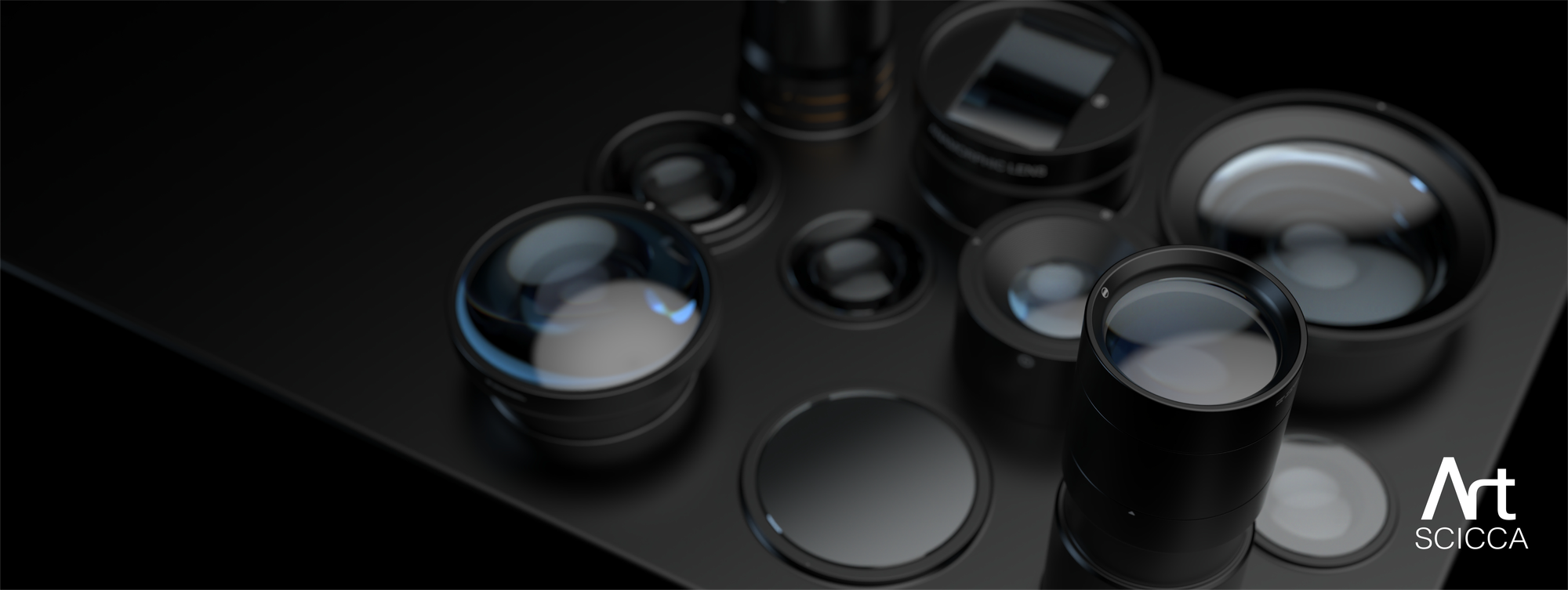
We offer specialized high-resolution and scientific imaging services to support the documentation, research, and conservation of artworks and cultural heritage objects.
Our photographic documentation is carried out using professional-grade cameras, precision lighting, and custom imaging setups, ensuring accuracy, clarity, and preservation-quality standards.
High-Resolution Color Photography
- Detailed full-view and close-up images of artworks
- Color-calibrated for accurate visual records
- Suitable for archival, publication, reproduction, and insurance purposes
Raking Light Photography
- Emphasizes surface texture, craquelure, and tool marks
- Useful for identifying structural damage, restorations, or surface irregularities
Ultraviolet (UV) Photography
- Reveals varnishes, overpainting, previous restorations, and biological growth
- Helps in evaluating the condition and authenticity of an artwork
Infrared (IR) Photography
- Allows viewing beneath surface paint layers
- Reveals underdrawings, pentimenti (artist changes), and sketch lines
- Particularly useful for paintings and historical works
Infrared False Color Imaging
- Visualize material differentiation and underdrawings
- Supports pigment and layer identification
Macro & Micro Imaging
Close-up and microscopic photography for detailed examination of:
- Brushwork
- Paint layers
- Surface damage
- Cracks and material deterioration
Benefits of Technical Imaging in Art Conservation
- Establishes Baseline Documentation: High-quality imaging provides essential visual records prior to any conservation treatment, serving as a reference point for future analysis.
- Enables Before-and-After Comparisons: Technical images allow for clear visual assessment of changes resulting from restoration or conservation processes.
- Supports Scientific Analysis and Condition Reporting: Imaging reveals surface features, structural issues, and material compositions that contribute to accurate condition assessments and inform conservation strategies.
- Enhances Understanding of Artistic and Historical Contexts: Collectors, curators, and researchers can uncover hidden details such as underdrawings, artist modifications (pentimenti), or previous restorations, deepening their insight into the artwork’s history and significance.
เราให้บริการถ่ายภาพความละเอียดสูง และภาพทางเทคนิค เพื่อสนับสนุนการบันทึกผลงาน การวิจัย และการอนุรักษ์ศิลปวัตถุและมรดกทางวัฒนธรรม
การถ่ายภาพของเราดำเนินการด้วยกล้อง และอุปกรณ์ระดับมืออาชีพ ระบบแสงที่แม่นยำ และการติดตั้งแบบเฉพาะเพื่อให้ได้ภาพที่ชัดเจน ถูกต้อง และเป็นไปตามมาตรฐานงานอนุรักษ์
ประเภทการถ่ายภาพที่ให้บริการ
High-Resolution Color Photography
การบันทึกภาพสีคุณภาพสูงความละเอียดระดับมืออาชีพ ใช้สำหรับเก็บบันทึกรายละเอียดของผลงานศิลปะอย่างครบถ้วน การปรับสีให้แม่นยำเพื่อให้บันทึกภาพตรงกับความเป็นจริงเหมาะสำหรับ การจัดเก็บในคลังข้อมูล การตีพิมพ์ การผลิตซ้ำ หรือใช้ในรายงานด้านการอนุรักษ์และประกันภัย
Raking Light Photography
การถ่ายภาพด้วยแสงเฉียงเป็นเทคนิคที่ใช้แสงจากมุมต่ำ หรือเฉียงไปยังพื้นผิวของวัตถุ เพื่อเน้นรายละเอียดพื้นผิว เช่น ทีแปรงของศิลปิน รอยแตก รอยนูน ร่องรอยการลงสี หรือร่องรอยการซ่อมแซม ทำให้สามารถสังเกตลักษณะทางกายภาพที่ไม่สามารถมองเห็นได้ชัดเจนด้วยแสงปกติ
Ultraviolet (UV) Photography การถ่ายภาพด้วยรังสีอัลตราไวโอเลต (UV)
- เผยลักษณะของวานิช สีทาทับ (overpainting) การบูรณะก่อนหน้า และจุลินทรีย์ โดยเฉพาะเชื้อรา
- ช่วยประเมินสภาพ และช่วยยืนยันความเป็นต้นฉบับของผลงาน
Infrared (IR) Photography
- เปิดเผยชั้นใต้ผิวสี เช่น เส้นร่างใต้ภาพ ร่องรอยการเปลี่ยนแปลงที่จิตรกรทำระหว่างการสร้างสรรค์ผลงาน (pentimenti)
- เหมาะสำหรับงานจิตรกรรม และงานประวัติศาสตร์
Infrared False Color Imaging
การถ่ายภาพอินฟราเรดสีเท็จ ช่วยเน้นความแตกต่างของวัสดุที่ใช้ในงานศิลปะได้ชัดเจนยิ่งขึ้น ใช้ในการวิเคราะห์ และระบุชนิดของเม็ดสี รวมถึงชั้นสีต่าง ๆ ที่อาจไม่สามารถมองเห็นได้ด้วยตาเปล่า
Macro & Micro Imaging การถ่ายภาพระยะใกล้ (มาโคร) และภาพระดับจุลภาค (ไมโคร)
- ใช้สำหรับการตรวจสอบรายละเอียดของผลงานศิลปะในระดับใกล้และระดับจุลภาค
- ช่วยเผยให้เห็น ลักษณะการป้ายพู่กัน (Brushwork), ชั้นสีและชั้นวัสดุต่าง ๆ (Paint and material layers), ความเสียหายบนพื้นผิว (Surface damage), รอยแตกร้าว และการเสื่อมสภาพของวัสดุ (Cracks and material deterioration)
ข้อดีของการถ่ายภาพทางเทคนิคเหล่านี้ ได้แก่
- สร้างเอกสารภาพพื้นฐานก่อนการอนุรักษ์: เพื่อใช้เป็นข้อมูลอ้างอิงก่อนเริ่มกระบวนการบูรณะหรืออนุรักษ์ผลงาน
- เปรียบเทียบความเปลี่ยนแปลง “ก่อน” และ “หลัง” การบูรณะ: ช่วยให้เห็นผลลัพธ์ของการอนุรักษ์ได้อย่างชัดเจน
- สนับสนุนงานวิเคราะห์ทางวิทยาศาสตร์และรายงานสภาพผลงาน: ให้ข้อมูลเชิงลึกเกี่ยวกับชั้นวัสดุ การเสื่อมสภาพ และเทคนิคที่ศิลปินใช้
- ช่วยให้นักสะสม ภัณฑารักษ์ และผู้วิจัยเข้าใจประวัติศาสตร์และเรื่องราวเบื้องลึกของผลงานศิลปะ: เช่น ร่องรอยการเปลี่ยนแปลงของภาพ การแก้ไขของศิลปิน (pentimenti) หรือวัสดุที่ไม่เคยปรากฏในบันทึกมาก่อน